
Dark Secrets Lurk in the Cain and Abel Story
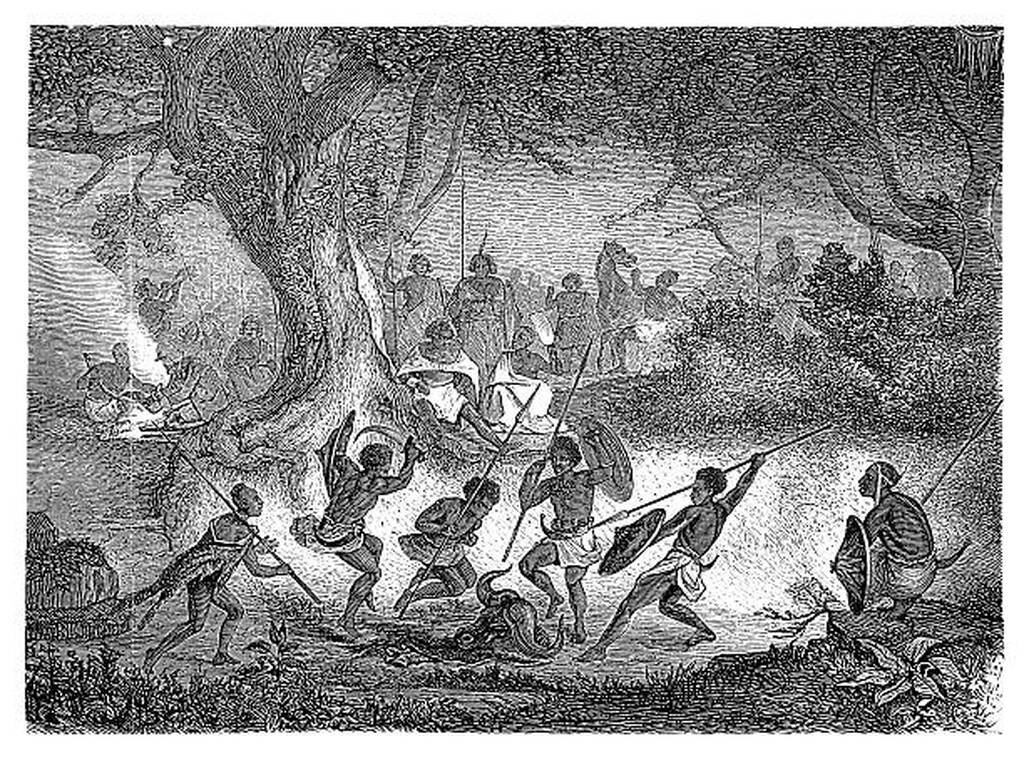
The story of Cain and Abel is one of the most familiar in all of scripture—two brothers, two sacrifices, one fatal choice. Yet beneath its simplicity lies a story far more complex and deeply human, a story pulsing with secrets, silence, and sorrow. For generations, theologians and storytellers alike have wondered: What truly happened in the fields of Adam’s sons?
Genesis tells us what Cain did. But it does not tell us why. That mystery—the gap between act and motive—is where the story darkens, and where imagination begins to see what history has hidden.
The apocryphal and early writings hint that Cain’s sin was not sudden, but slowly born of discontent. They speak of secret gatherings, hidden oaths, and whispers of a New God who promised freedom without sacrifice. Cain, the firstborn, strong and intelligent, becomes both leader and outcast—a man of faith undone by divine silence and forbidden love. His descent is not merely the tale of jealousy, but of spiritual deception, of truths twisted by the shadows that whisper half-promises in the name of freedom.
What makes the Cain and Abel story so haunting is not its violence—it’s the intimacy of its betrayal. These were brothers who worked side by side, laughed and argued, shared meals and prayers. Abel’s death is not just the first murder; it’s the first breach of trust, the first moment when human love was broken by human pride. And in that fracture, darkness found its doorway into the world.
In my novel Cain, I explore those shadows not as fantasy, but as forgotten history—the hidden truths that apocryphal texts and early traditions dared to preserve. These writings suggest a world alive with both divine presence and unseen corruption: angels walking among men, unseen powers testing faith, and secret societies forming in defiance of God’s law. The darkness in Cain’s story is not simply evil—it’s seductive, rational, believable. It’s the voice that tells us we can be our own gods.
The tragedy of Cain is not that he fell—it’s that he believed he was rising. And in that belief, the first civilization was born: built on ambition, secrecy, and blood.
The story of Cain and Abel endures because it reflects the oldest truth of all—that darkness doesn’t always arrive as destruction. Sometimes it comes as enlightenment, as liberation, as a promise whispered in the dark. And by the time we recognize it for what it is, it has already changed us.